Getting the air conditioner right matters more than most homeowners realize. Pick a unit that is too small and it never reaches setpoint on hot July afternoons, strains the compressor, and wears out early. Pick one that is too large and it cools the air quickly but leaves humidity high, cycles frequently, wastes energy, and still feels clammy. In Lexington, where summers are warm but not tropical, the right size depends on a handful of home-specific facts, not a rule of thumb printed on a contractor’s brochure.
I’ve installed and serviced systems across Massachusetts for more than a decade. I’ve seen homes where a half-ton difference made the difference between quiet, efficient comfort and a house that never feels right. Below I’ll walk through the factors you need to evaluate, practical ways to estimate load, trade-offs among different sizing choices, common pitfalls I encounter while doing AC installation in Lexington, and when to call a pro. I’ll mention trusted local services where appropriate, because an installer who knows Lexington’s housing stock and climate will save you money in the long run.
Why sizing matters in Lexington specifically Lexington sits in a transition zone. Summers bring stretches of 80s and low 90s with humid spells, but nights can dip into the 60s. Many homes are older—Victorians, colonials, and midcentury ranches—with variable insulation, original windows, and diverse ductwork conditions. That mix changes how a home gains and loses heat through the day.

Two houses the same square footage can have very different cooling requirements. A 2,000 square foot colonial with south-facing sunrooms and single-pane windows will need considerably more capacity than a well-insulated 2,000 square foot home whose windows are shaded and whose attic is newly insulated. That’s why the first step is always a careful assessment of the specific property.
Basic load principle, made practical Air conditioning capacity is measured in tons, where one ton equals 12,000 BTU per hour. A central rule of thumb some use—about 20 to 25 BTU per square foot—can give a starting point, but it’s only a starting point. For example, a 1,500 square foot house might therefore be estimated in the 30,000 to 37,500 BTU range, or roughly 2.5 to 3.1 tons. But that ignores ceiling height, insulation, occupancy, appliances, and orientation.
When I size systems during an AC installation in Lexington, I’m thinking in terms of heat gain: solar through windows, conduction through walls and roof, internal gains from people and equipment, and ventilation or infiltration from outside air. Those add at different times of day, and any one can dominate a home’s load curve. Modern sizing uses Manual J calculations to estimate these components precisely.
Manual J and why you should insist on it Manual J is the residential load calculation protocol developed by the Air Conditioning Contractors of America. It asks for inputs such as square footage by room, ceiling height, window sizes and orientation, insulation levels, local weather data, and expected internal gains. The output is the sensible and latent cooling load for each room and the whole house.
Why insist on Manual J? Because it prevents guessing. It lets you size systems to match peak cooling needs, giving you a combination of comfort and efficiency. If a contractor proposes a system without a Manual J (sometimes called a room-by-room load calculation), consider that a red flag. For replacement systems, a Manual J can reveal that duct leakage, poor attic insulation, or oversized windows are the root cause of high energy bills rather than the AC itself.
Key factors that change the load calculation Several variables have outsized influence on the resulting size recommendation. Understand how each affects the decision.
- Insulation and attic condition. Poor attic insulation can add thousands of BTU on hot days. Improving attic insulation often reduces required capacity, letting you buy a smaller, less expensive unit. Windows and solar exposure. South and west-facing windows raise cooling load. Quality of glazing and presence of shading or trees matter too. Ceiling height. Higher ceilings mean more air volume to cool. A house with 9 or 10 foot ceilings needs more capacity than one with standard 8 foot ceilings. Occupancy and equipment. A home office with multiple computers or a kitchen with heavy cooking loads adds internal heat that impacts sizing. Ductwork condition. Large leaks or undersized ducts change the effective delivered capacity. Sometimes the right fix is duct repair, not a different sized condenser. Air infiltration. Older homes with gaps and leaks bring in warm, humid air that increases latent cooling needs.
A useful real-world calculation: rough estimator and follow-up If you want a quick sanity check before calling an installer, you can do a sensible estimate in two steps. First, calculate a baseline using square footage times 20 to 25 BTU. Second, adjust up or down based on visible conditions.

Say you have a 1,800 square foot colonial with 9 foot ceilings, some west-facing windows, and an uninsulated attic. Baseline: 1,800 x 22 BTU = 39,600 BTU, or about 3.3 tons. Adjust up for tall ceilings and poor attic insulation, push toward 3.5 to 4 tons as a ballpark. Then confirm with a Manual J.
Two short checklists before the installer arrives When a tech comes for a quote, certain information speeds the process and improves accuracy. Prepare these five items where possible: the age and R-value of attic insulation, a list of major window orientations and whether they are single or double glazed, ceiling heights by floor, major recent envelope upgrades (new windows, insulation, siding), and any unusual internal loads such as a second kitchen or a home business running server racks. Having those details ready helps the installer complete a useful Manual J on site, or at least gather what they need to run one promptly.
Choosing capacity: the trade-offs There is no single best answer for every house. Here are the trade-offs you’ll confront and the judgments I make for clients.
- Slightly undersized vs accurately sized: A slightly undersized unit will run longer, maintain more consistent humidity control if paired with sensible ventilation, and use less upfront capital. But it must be able to reach a reasonable setpoint on the hottest day. I only recommend undersizing when the envelope is strong and occupants prioritize efficiency over very low setpoints. Oversized units: They reach setpoint quickly, then cycle on and off frequently. That not only wastes energy but fails to remove enough moisture from the air, leaving the home humid and clammy. Frequent cycling also shortens lifespan and can trigger more repairs, which leads to calls for AC repair in Lexington MA sooner than expected. Matching zoning or multiple smaller units: For larger or oddly shaped homes, using two smaller ducts or a ductless mini-split per zone can be superior to a single large unit. Zoning reduces wasted conditioned space and delivers better comfort to rooms that get hot midday sun. It costs more up front but improves long-term comfort and can reduce calls for Emergency AC repair near me in peak heat.
SEER rating and efficiency matters, but so does correct sizing SEER, or Seasonal Energy Efficiency Ratio, tells you how efficiently the AC converts electricity into cooling over a season. Higher SEER means lower electricity use. But a high-SEER, oversized unit will still be inefficient in practice because of cycling losses and poor humidity control. Pairing a properly sized, high-SEER unit with good duct sealing and a programmable thermostat yields the best returns.
Ductwork: the overlooked determinant of comfort Even a perfectly sized condenser can underperform if ducts leak or are poorly sized. During my service calls for AC repair in Lexington MA, duct problems are among the top three causes of poor cooling. Air that escapes into an attic or crawlspace never cools the living area. Undersized return ducts cause pressure imbalances that reduce airflow through registers.
If ducts are accessible, have them pressure-tested and sealed with mastic rather than tape. In many older Lexington homes, adding a return in a central hallway or enlarging existing returns makes a dramatic difference. Sometimes the right investment is not a bigger AC but better ducts.
Humidity control: capacity is not the only metric Humidity is what makes a home feel uncomfortable even when the thermostat reads a comfortable number. A properly sized system spends longer on each cycle, removing more moisture. Oversized equipment short-cycles, leading to high relative humidity in the 60s or higher on humid nights.
If your home struggles with humidity despite AC repair a correctly sized system, consider a system with a variable-speed compressor or a supplemental dehumidifier. Variable-speed units modulate to match the current load, maintaining steady airflow and superior dehumidification. They cost more, but they solve the clammy-house problem far better than simply increasing tons.
Common contractor mistakes and how to avoid them When I consult or review proposals, the same errors crop up. Watch for these five red flags in quotes or recommendations: proposals that do not include a Manual J load calculation, recommendations based solely on square footage with no discussion of envelope or ductwork, quotes that upsell oversized equipment without documenting why, bids that ignore duct repair or sealing as part of the solution, and any contract language that hides manufacturer warranty obligations behind installer-only conditions. If you see these, ask questions, get a second opinion, and don't feel pressured into accepting an oversized, overpriced offer.
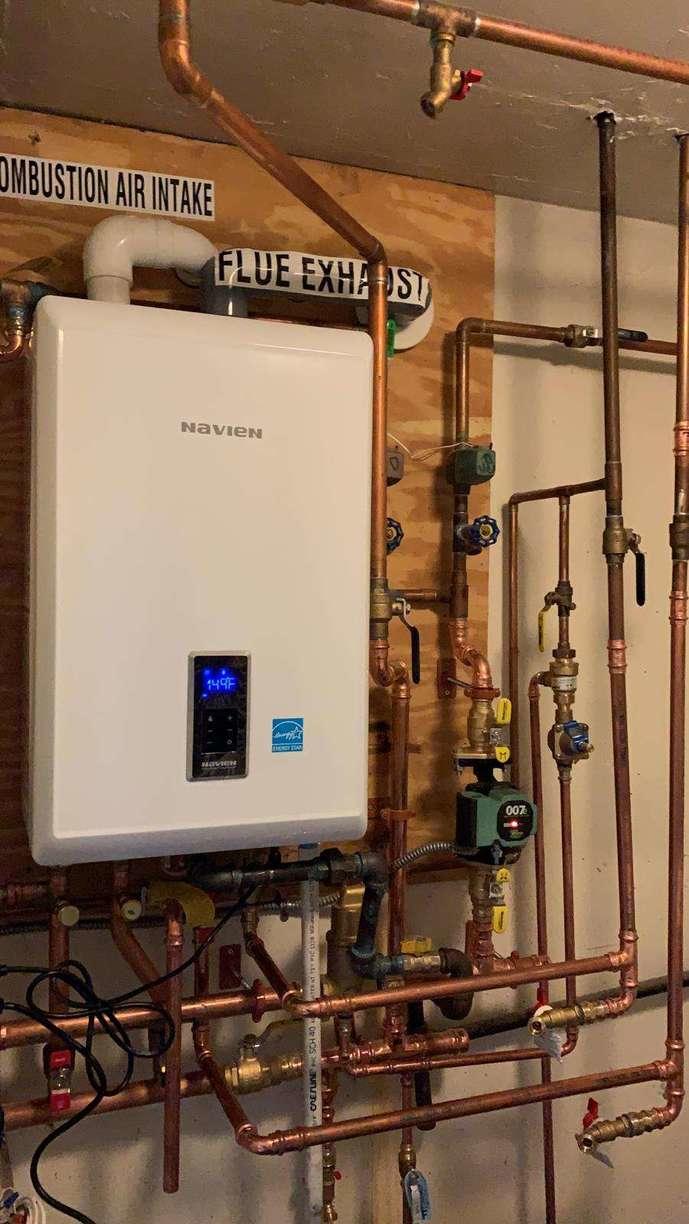
On installation day: what to verify A smooth installation is as important as the right sized unit. Here are several practical checks with real consequences.
- Confirm the unit’s rated capacity and SEER match the contract. Mistakes in ordering happen. Verify refrigerant charge based on temperature split and manufacturer procedures, not simply "we filled to the gauge." Make sure duct connections are sealed with mastic, insulation is correctly installed on refrigerant lines, and condensate drains slope properly to avoid backups. Ask the technician to demonstrate thermostat settings and schedule a post-install walkthrough. A well-commissioned system will have checked airflow, measured static pressure, and validated factory controls.
When to call a pro, and who to call If you are replacing an old unit, or if your home has undergone renovation, call a reputable local contractor who performs Manual J, Manual D (duct design) where appropriate, and Manual S (equipment selection). For Lexington residents, companies such as Green Energy AC Heating & Plumbing Repair are known locally for addressing both installation and emergency needs, and for combining HVAC work with plumbing and energy-efficiency upgrades. If you find your system struggling outside business hours, search for Emergency AC repair near me and verify the provider’s licensing and positive local reviews before hiring. For persistent humidity or uneven cooling, request a room-by-room Manual J and a duct inspection. If a contractor resists performing these checks, consider that a lack of thoroughness.
A brief homeowner anecdote I once worked on a 1920s colonial where a homeowner had installed a 5 ton condenser because every local contractor had quoted "better safe than sorry." The attic insulation was barely R-13, and the ductwork had multiple leaks into the crawlspace. The oversized unit cool-sealed the home in minutes and left the house humid and noisy. We replaced the unit with a properly sized 3.5 ton system, added R-38 in the attic, sealed ducts, and the family reported lower bills, quieter operation, and no clammy nights. The upfront cost was lower than the initial oversized bid and the system has needed no AC repair in Lexington MA since service.
Budgeting and lifecycle costs Expect installed costs to vary depending on brand, SEER, configuration, and ductwork work. In the Lexington market, expect a range roughly from lower-cost central systems in the low thousands to higher-efficiency, properly ducted installations with variable-speed equipment in the mid to high thousands. Consider lifecycle costs rather than sticker price; a better matched system with proper duct sealing often pays back through lower electricity bills and fewer service calls.
Final practical steps to take now If you are considering AC installation in Lexington, start with these three actions: gather the home information listed above before the quote, ask potential contractors whether they perform Manual J and request a copy of the calculation, and get at least two independent bids that include duct assessment. If you have a current system underperforming or calling for AC repair in Lexington MA repeatedly, document recent service history and call a contractor who offers both repair and installation so they can weigh repair versus upgrade.
Selecting the right AC size is a matter of informed judgment, not salesmanship. When the right calculation meets proper installation and ductwork, your home will stay comfortable, your energy bills will be lower, and you’ll spend less time searching "Emergency AC repair near me" or scheduling repeated AC repair in Lexington MA. Choosing a local team that does thorough load calculations, understands Lexington housing, and provides reliable service—such as Green Energy AC Heating & Plumbing Repair or another trusted local contractor—turns a stressful purchase into a long-term advantage.
Green Energy AC Heating & Plumbing Repair
76 Bedford St STE 12, Lexington, MA 02420
+1 (781) 630-7573
[email protected]
Website: https://greenenergymech.com